Odometer History Check
Has the odometer been wound back?
The odometer readings we hold, with rollbacks flagged.
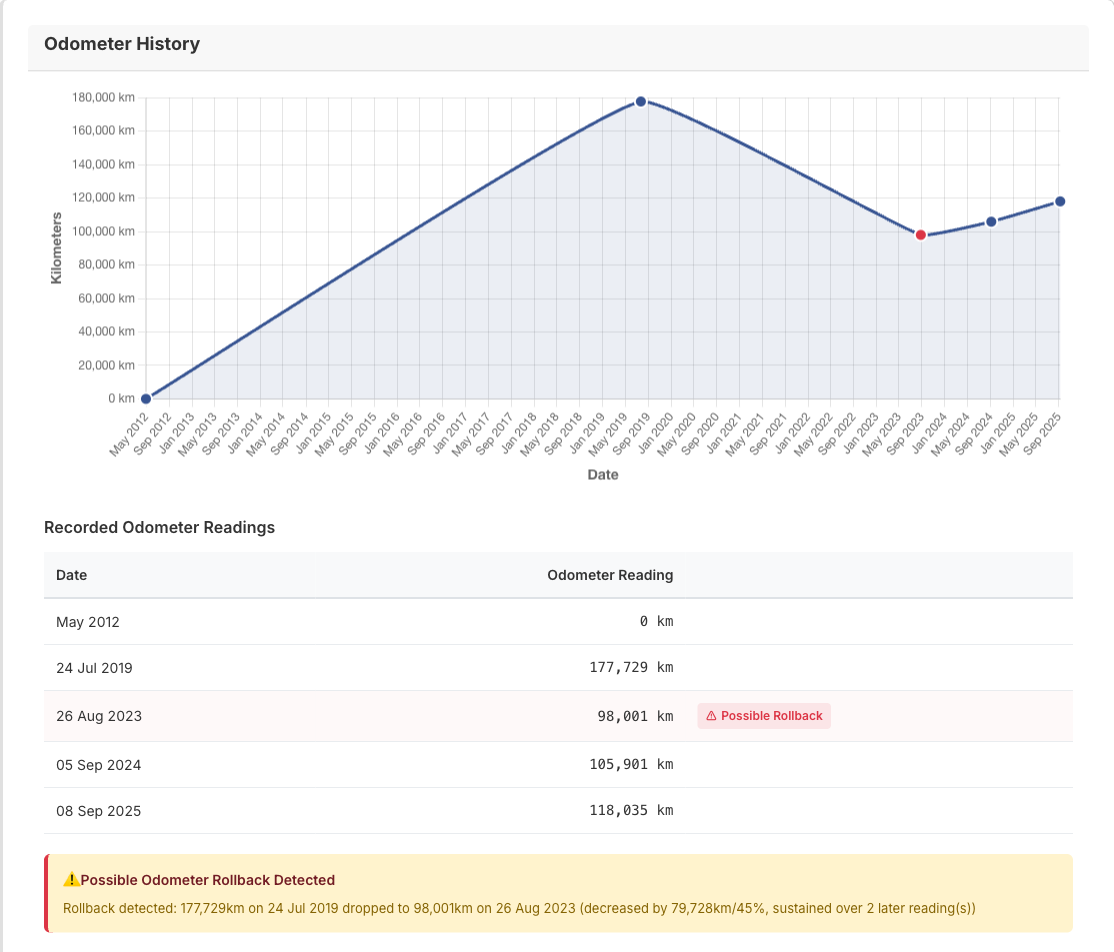
An odometer history check compares a car's current reading with the odometer readings recorded over its life from verified sources. If a later reading is lower than an earlier one, the odometer may have been wound back. A Comprehensive Plus report lists every odometer reading we hold and can locate for the vehicle and flags that automatically.
What a MotorRegistry report shows
- Expected odometer Expected odometer reading for the vehicle's age
- Odometer history Every odometer reading we hold and can locate for the vehicle, charted in date order
- Rollback flag Automatic flag when a later reading is lower than an earlier one
- Service history Service history with the odometer reading at each service, where captured
- Past sales listings Past sales and auction listings for the vehicle, where held
How an odometer history check works
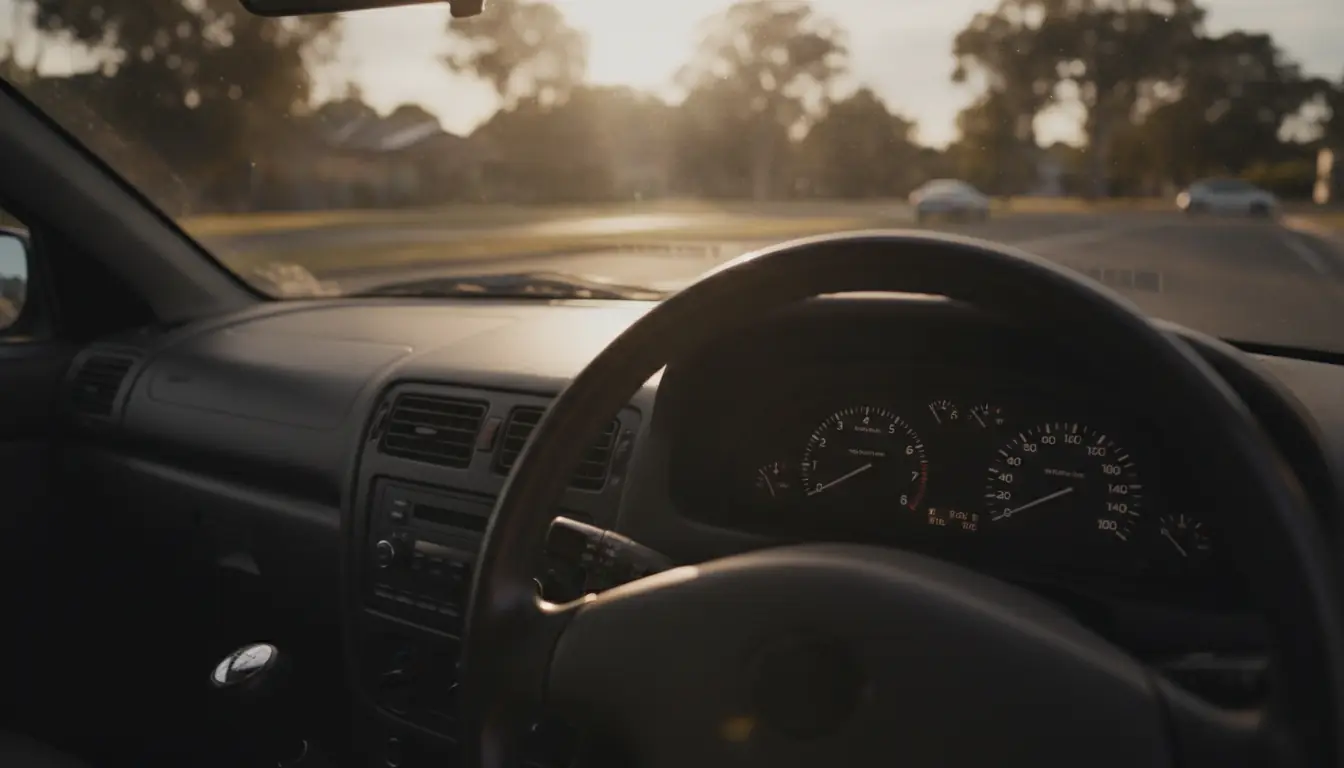
The number on the dashboard proves nothing on its own. Digital instrument clusters can be reprogrammed in minutes with readily available tools, and it leaves no physical trace. What can't be changed as easily is the record of readings taken outside the car over its life.
A Comprehensive Plus report lists every odometer reading we hold and can locate for the vehicle, in date order, gathered from verified sources. We hold extensive odometer records for most vehicles, though no single source has every reading ever taken. The readings are charted so the trend is easy to see, and the report flags any reading that is lower than an earlier one.
Every Comprehensive report also shows the expected odometer reading for the vehicle's age, so an unusually low number stands out even where there are few recorded readings.
How common is odometer rollback?
A PPSR certificate contains no odometer information, so none of those rollbacks would have shown up on it. Read what a clean PPSR check doesn't cover for a real example.
Why a lower reading matters
A car with fewer kilometres sells for more, and the difference can run to thousands of dollars. A wound-back odometer also throws out the service schedule, so timing belts, transmission services and other distance-based maintenance may be overdue without anyone knowing.
Not every drop is fraud. A replaced instrument cluster or a data-entry error at a workshop can produce a lower reading. If the report flags a drop, ask the seller for an explanation and the repair invoice for any cluster replacement, which should record the reading at the time of the swap.
Signs the kilometres don't add up
Wear on the controls
Wear on the steering wheel, gear knob, pedal rubbers and driver's seat bolster that looks heavy for the reading.
Service stickers
Service stickers on the windscreen or door jamb showing higher readings than the dashboard.
The logbook
Logbook entries with readings that jump backwards, or a logbook with no entries for several years.
A low reading for its age
A reading that is far below the expected kilometres for the car's age, with no clear explanation.
Winding back an odometer is an offence in every Australian state and territory. If you've bought a car and later find the reading was false, contact the consumer affairs or fair trading agency in your state.
Odometer History Check FAQ
How can I tell if a car's odometer has been wound back?
Compare the current reading with the readings recorded over the car's life by verified sources. If a later reading is lower than an earlier one, the odometer has likely been wound back or the instrument cluster replaced. MotorRegistry holds extensive odometer records for most vehicles, and a Comprehensive Plus report lists every reading we can locate in date order and flags this automatically.
Is odometer tampering illegal in Australia?
Yes. Winding back or tampering with an odometer is an offence in every Australian state and territory, and selling a car with a false reading can also breach consumer law.
Can digital odometers be wound back?
Yes. Digital instrument clusters can be reprogrammed with readily available tools, often without leaving any physical sign on the dashboard. A recorded history of readings from outside the car is the most reliable way to check.
What if the instrument cluster was replaced?
A replaced cluster will show a different reading from the original, which can look like a rollback in the history. Ask the seller for the repair invoice. A legitimate replacement is usually documented with the reading at the time of the swap.
How common is odometer rollback?
In August 2026, about 1 in 27 cars that came back clear on the PPSR were flagged with a possible odometer rollback in their MotorRegistry Comprehensive Plus report.
Start with a PPSR check or a full car history check.
Check the car before you pay
Enter the rego or VIN to see what's on record for the vehicle.
Check a vehicle now
