No one wants to end up with a lemon when buying a used car, and yet Australia faces challenges in the quality of some available vehicles.
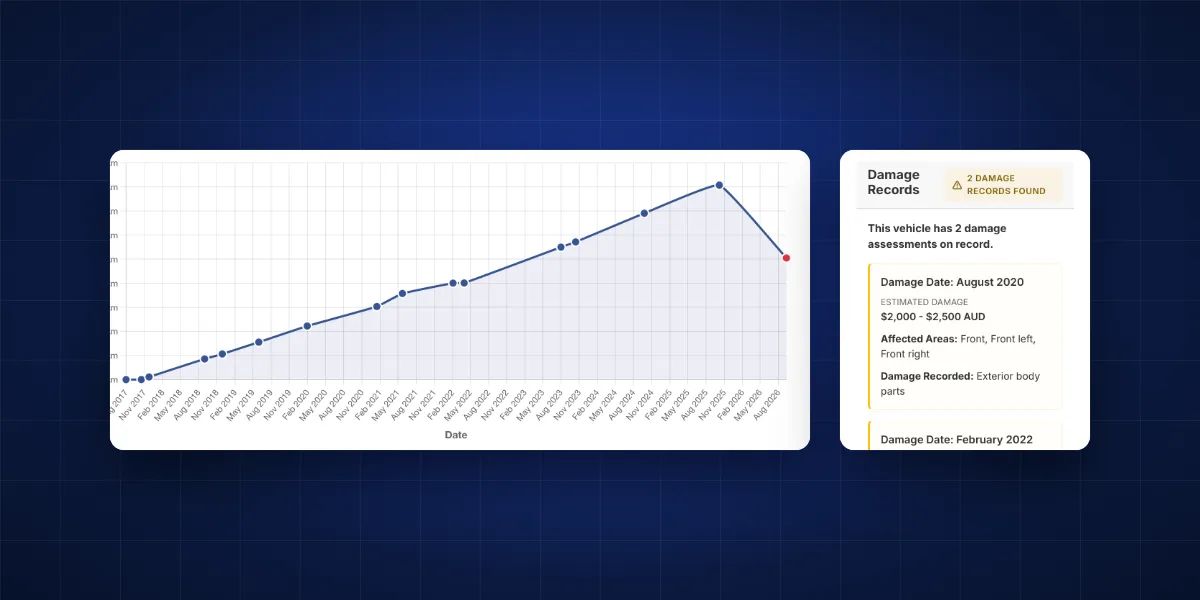
An analysis of 154,035 car history reports revealed that a substantial 22.2% of vehicles had issues. With over a million Australians considering buying a second-hand car in the next 12 months, the situation raises concerns. The positive aspect is that these undesirable purchases could have been easily avoided through a PPSR (REVS Check) report.
However, what if you've already acquired a car that falls short of expectations? What legal rights do you have?
When it comes to purchasing a lemon at an auction, Australian consumer law holds manufacturers, dealerships, and auction houses accountable. They are obligated to provide automatic guarantees on the goods, including used or new cars, that you purchase from them. Additionally, a statutory warranty is offered to uphold the quality of the car and provide recourse if it fails to meet standards.
Sellers are prohibited from misleading buyers about the car's price, make, quality, or performance. They are responsible for repairing, replacing, or refunding a product that is not sold in good faith. However, the Australian Competition and Consumer Commission (ACCC) specifies that certain conditions must be met. Claims cannot be made if the buyer has simply changed their mind after the purchase, damaged the car, or found a better deal. The seller also has discretion in situations where the buyer bought the car despite being informed that it wouldn't meet their needs.
For more specific information about consumer rights in your state or territory, the ACCC website is a valuable resource. If purchasing from a private seller, some consumer protections provided by law are waived. There is no entitlement to a cooling-off period, and the car lacks a statutory warranty. Unlike dealers, manufacturers, or auction houses, private sellers are not obliged to provide a certificate from the Personal Properties Securities Register.
Regardless of your chosen method to buy a used car, conducting a PPSR search can help you steer clear of potential pitfalls, ensuring an informed decision in the purchasing process.