MotorRegistry data shows 1 in 3 vehicles have something to hide - and EOFY is precisely the moment buyers are least likely to look.
EOFY can be a great time to buy a used car under the right conditions. There are real savings on offer as dealers look to offload stock. In private sales, a small business or sole trader might also want to clear an asset off their books, or an individual seller could themselves be feeling sale pressure as they look to upgrade. For buyers, this all adds up to a feeling that you need to move quickly to secure the price or the tax incentives before the deadlines hit.
As June 30 approaches, deals appear, sellers get motivated, and it is easy to feel pressure building as you evaluate a new vehicle. If you run a business, that pressure can feel even sharper, with annual reporting, tax planning, and asset decisions all landing at once.
EOFY itself doesn't make bad vehicles on the market more common - it just means you could be making decisions under pressure. That's where a comprehensive used car history can come in, saving both money and time.
Instant asset tax write-off
The current instant asset tax write-off for small businesses allows you to deduct significant business assets costing less than $20,000, including vehicles. It helps reduce compliance costs, buffer cash flow, and lower overall tax obligations for assets needed to operate your business.
If you need a new vehicle for your business, it might be tempting to sign off on the purchase quickly in order to secure the deal this financial year. Buying a used vehicle under the $20,000 threshold could be a wise decision. But if you end up with a car that has hidden finance owing, a poor service history, or unusual odometer readings, you could end up with a headache and higher costs.
Sellers clearing stock
Whether private sellers or dealers, there may be pressure to clear old stock before June 30 to meet monthly and annual sales targets or refresh their own books as EOFY lands.
When you're purchasing under time pressure - a tax deadline, a limited-time offer, a "this one won't last" conversation - the steps that normally slow a purchase down get compressed or skipped entirely. You fall in love with the car first and worry about the details later.
Decisions under pressure
What typically gets skipped when people rush:
- A proper vehicle history check. Most buyers know they should do one. Fewer actually do before they commit, particularly when they feel the clock running.
- A cool-headed comparison of the vehicle's condition against its asking price. Time pressure makes a price feel fair because there's no time to question it.
- The question of what the vehicle's history might be hiding. A car can look clean, drive well, and present beautifully and still carry undisclosed finance, a written-off status that's been obscured, an odometer that doesn't tell the full story, or a patchy service history.
The EOFY window doesn't create these problems for buyers or sellers. But it creates the conditions in which buyers are least likely to catch them.
Most buyers assume a standard PPSR check covers the bases. It doesn't - finance owing and odometer discrepancies, two of the most common and costly issues, don't reliably surface through a government check alone.
If a vehicle has finance owing against it, a secured lender may in some circumstances have rights over the vehicle even after it has been sold. You could find yourself in a lengthy dispute over ownership despite having paid for the vehicle in good faith.
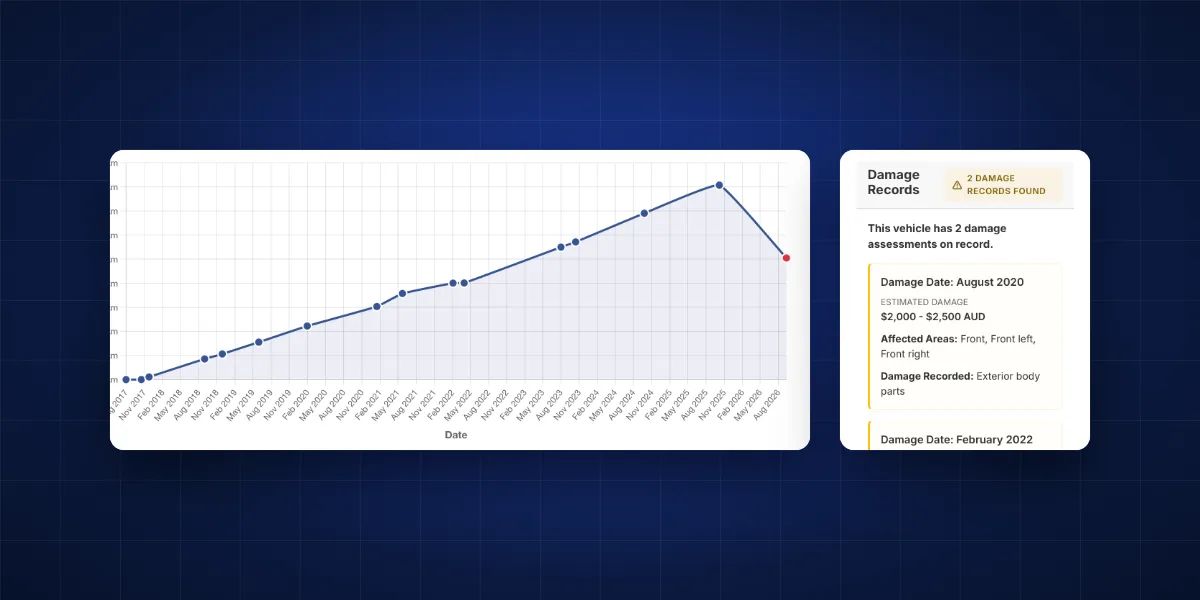
A vehicle with a significant damage history may present a different set of problems: diminished resale value, potential safety concerns, and insurance complications that only become apparent when you need them most.
Buy smartly this EOFY
The goal isn't to avoid EOFY purchases. The goal is to bring the same care you'd apply in any other month to a decision you're being nudged to make quickly.
Three things worth doing before you commit:
- Run the history check before committing to purchase. Once you've driven it and liked it, the emotional calculation changes. The report takes minutes. Do it while you're still a neutral party.
- Separate the tax decision from the vehicle decision. Whether a vehicle purchase makes sense for your business's end-of-year position is a separate question from whether this particular vehicle is a sound one. Don't let one justify the other.
- Give yourself a 24-hour rule. If the deal genuinely requires a decision today, ask yourself what's actually at risk if you wait until tomorrow. Legitimate offers rarely evaporate overnight.
A MotorRegistry vehicle history report goes beyond the standard PPSR check - surfacing finance status, odometer assessment, written-off records and more, drawn from government registers and verified data sources. What it gives you is a clear view of a vehicle's full history, all for less than a tank of fuel (or EV recharge).
If the report comes back clean, you can buy with confidence. If it flags something, you've saved yourself from a problem that the best EOFY deal could not compensate for.
The EOFY window closes on 30 June. If you're buying a vehicle before then, make the MotorRegistry report part of the process.